

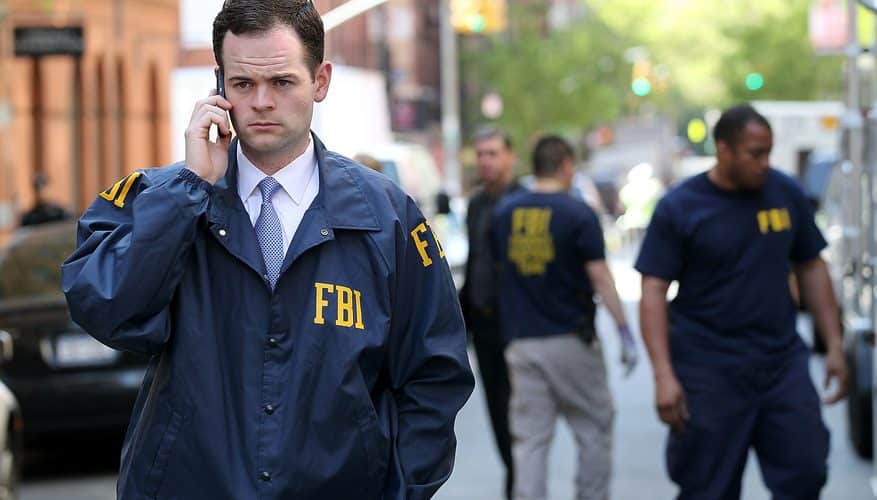
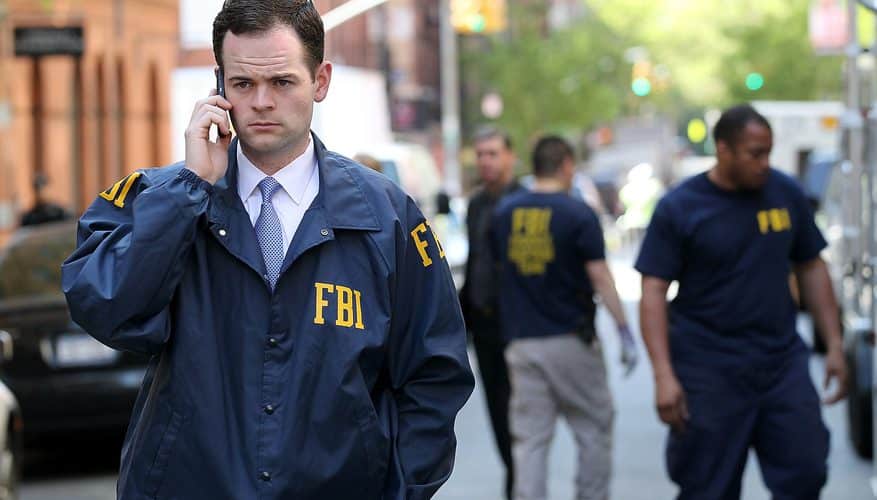
Kash Patel news broke Monday as the FBI Director filed a $250 million defamation lawsuit against The Atlantic and reporter Sarah Fitzpatrick in US District Court in Washington, alleging the magazine published “false and obviously fabricated allegations” in a story that reported Patel had alarmed colleagues with episodes of excessive drinking, unexplained absences, and behavior described as erratic during his tenure as FBI director.
Summary
- The suit alleges The Atlantic acted with “actual malice” and gave the FBI less than two hours to respond to 19 detailed allegations before publishing, calling the deadline “arbitrary and unreasonable.”
- The Atlantic said it stands by its reporting and called the lawsuit meritless, noting the story was based on interviews with more than two dozen people including current and former FBI officials, congressional members, and political operatives.
- The 19-page filing cites 17 specific claims it calls false, including allegations that Patel drank “to the point of obvious intoxication” and that meetings were rescheduled because of his alcohol-fueled nights.
Kash Patel news on Monday centers on the FBI director taking direct legal action against one of the country’s most prominent news organizations over a story that triggered immediate Democratic calls for his resignation. The lawsuit, filed in US District Court in the District of Columbia, seeks $250 million in damages from The Atlantic and Fitzpatrick personally, framing the article as a coordinated attempt to destroy Patel’s reputation and force him out of office.
“They were given the truth before they published, and they chose to print falsehoods anyway,” Patel said in a statement. “I took this job to protect the American people and this FBI has delivered the most prolific reduction in crime in US history.”
The Atlantic responded directly: “We stand by our reporting on Kash Patel, and we will vigorously defend The Atlantic and our journalists against this meritless lawsuit.”
Fitzpatrick’s story, published last week, reported that colleagues had grown alarmed by Patel’s conduct, describing excessive drinking and unexplained absences. The filing specifically challenges 17 claims, including that Patel was known to drink “to the point of obvious intoxication” at Ned’s Club in Washington, that early meetings were rescheduled because of alcohol-fueled nights, and that his security detail had difficulty waking him, in one instance requesting breaching equipment because Patel was “unreachable behind locked doors.”
Patel’s lawyers allege that The Atlantic was “expressly warned, hours before publication, that the central allegations were categorically false” and that the magazine “failed to take even the most basic investigative steps” that would have refuted the claims. The suit also argues Fitzpatrick could not get a single named source to support the core allegations, relying entirely on anonymous sources the filing describes as “highly partisan with an ax to grind.”
The Atlantic has said the story was thoroughly reported, based on interviews with more than two dozen people across government, Congress, the hospitality industry, and political operations.
The Legal Standard Patel Must Meet
As FBI director and a public figure, Patel faces an extremely high legal bar. Under the 1964 Supreme Court ruling in New York Times v. Sullivan, a public figure must prove the publisher acted with “actual malice,” meaning the publisher either knew the content was false or showed reckless disregard for whether it was true or false.
First Amendment lawyer Adam Steinbaugh described the complaint as allegations that “don’t even hit the backboard” in meeting the actual malice standard. He noted the suit’s likely primary effect: making other media outlets weigh the cost of defending against even a meritless lawsuit before publishing stories about powerful government officials. Defamation lawsuits against news organizations are frequently dismissed before reaching discovery, the stage at which both sides would exchange evidence and take sworn testimony.
What the Suit Signals About Press Freedom
The lawsuit arrives alongside FBI Director Patel’s Sunday statement that arrests over the 2020 election are coming “this week,” a comment that has drawn its own attention about the direction of the bureau. Together, the two actions reinforce a posture of aggressive legal and institutional action against institutions the administration views as hostile.
For the broader political environment affecting crypto reform, each confrontation between the administration and press or political opponents consumes attention and political capital that would otherwise be available for legislation. The CLARITY Act markup, the stablecoin bill, and broader digital asset regulation all depend on a Senate calendar that is already competing with the Iran ceasefire negotiations, reconciliation, FISA, and now a federal-state ballot standoff in Michigan. High-profile legal actions by senior administration officials add another variable to an already crowded environment.