

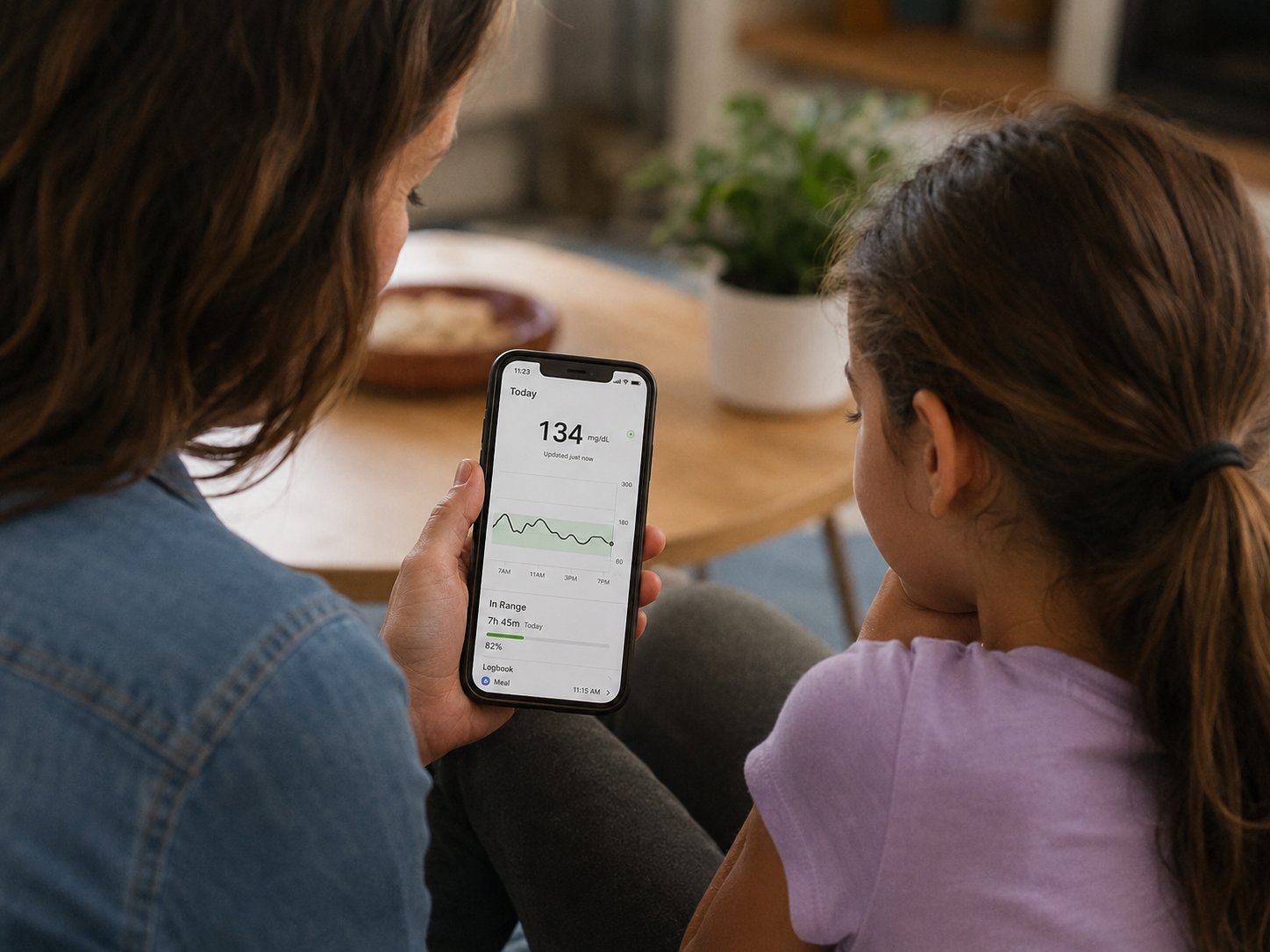
Dexcom’s Stelo is bringing over-the-counter glucose tracking into pediatrics, with phones, apps, and connected-device policies now part of the rollout.
The FDA said June 12 that it cleared the Stelo Glucose Biosensor System for people 2 years and older who do not use insulin, making it the first over-the-counter continuous glucose monitor cleared for children. The clearance expands Stelo beyond its original March 2024 authorization for adults and gives families a prescription-free option for app-based glucose tracking.
For health care, school IT, and benefits teams, the change adds a new operational layer: how to handle a pediatric medical device that depends on compatible phones, app access, nearby smart devices, and clear rules for who responds to glucose data.
The FDA clearance applies to people 2 years and older who do not use insulin. That includes children using oral medication for diabetes and people tracking how meals, activity, and daily routines affect glucose patterns.
Stelo pairs a wearable sensor with an app on a compatible smartphone or smart device, including a caregiver’s phone. The app displays glucose values and trends every 15 minutes.
Stelo is not for people who use insulin, people with problematic hypoglycemia, or people on dialysis. It also does not issue low-glucose alerts.
For children, Stelo should be used under adult caregiver supervision. People with a history of disordered eating or eating disorders should consult a healthcare provider before use, and users should not change medication based on Stelo readings without medical guidance.
Each sensor lasts up to 15 days, although wear time may be shorter in pediatric users. The FDA said it used prior clinical study data and real-world evidence from current integrated CGM users to assess pediatric performance.
How Stelo changes device policy
Stelo is not a standalone meter. It depends on a connected workflow involving the sensor, app access, a compatible operating system, and proximity to a phone or smart device, so broader Android system updates can still matter for app controls, setup, backups, and security checks.
Dexcom’s Stelo app compatibility page lists minimum iOS and Android requirements for phones. A smartwatch can work as an app extension, but only when connected to and within range of the phone — a phone-first setup also seen in many Apple Watch glucose monitoring apps.
Schools with strict cellphone rules, limited Wi-Fi access, or device restrictions during class and testing may need clearer policies as wearable computing moves into more everyday settings.
School IT and health administrators may need to decide whether caregiver-connected phones can stay nearby, whether Wi-Fi and phone rules allow the device to work, and who responds to glucose data during the school day.
For healthcare organizations, the near-term priority is eligibility screening. OTC status removes the prescription barrier, but it does not make Stelo appropriate for children who use insulin, have problematic hypoglycemia, or need real-time low-glucose alerts.
Pricing, reimbursement, and pediatric rollout details still need verification. For schools and health care teams, Stelo’s use will depend on caregiver oversight, device access, and clear rules for glucose data.
Read more: Oura Ring glucose monitoring shows how Stelo data fits into wearable health tracking.


