


Kalshi has deployed an artificial intelligence agent to help decide which prediction markets to launch as trading activity on the platform has climbed to more than $5 billion in a single week.
Summary
- Kalshi has deployed an AI agent called Harrison to help evaluate and recommend new prediction markets.
- FIFA World Cup betting activity helped push Kalshi’s weekly trading volume to a record $5.1 billion.
- The platform’s expansion comes as U.S. regulators and states continue to dispute oversight of prediction market contracts.
According to a Bloomberg report, the prediction market operator has introduced an internal AI system called Harrison to assist with several day-to-day functions tied to its exchange.
The tool is being used to review news developments, monitor competing platforms, recommend new contracts for listing, and identify where liquidity incentives may be most effective.
Bloomberg reported that Harrison forms part of Kalshi’s internal markets team and contributes to the process of evaluating potential contracts before they reach users.
Speaking to the publication, Kalshi co-founder Luana Lopes Lara said the company also employs an AI engineer whose work includes using AI systems to stress-test certification processes and identify possible weaknesses before markets go live.
The rollout comes as prediction markets continue to draw regulatory attention across the United States. State regulators have argued that some event contracts resemble traditional gambling products, while federally regulated exchanges maintain that they operate under commodities laws overseen by the Commodity Futures Trading Commission.
Sports contracts fuel record activity
Trading volumes have accelerated alongside growing interest in sports-related contracts. According to Bloomberg, demand tied to the FIFA World Cup helped push Kalshi to nearly $18 billion in notional trading volume during May, citing data from Dune Analytics.
The same report stated that Kalshi recorded approximately $5.1 billion in volume during the first week of the tournament this month, setting a new weekly high for the platform. Sports markets have become one of the exchange’s fastest-growing categories, joining election, economic, and entertainment contracts that already attract significant user activity.
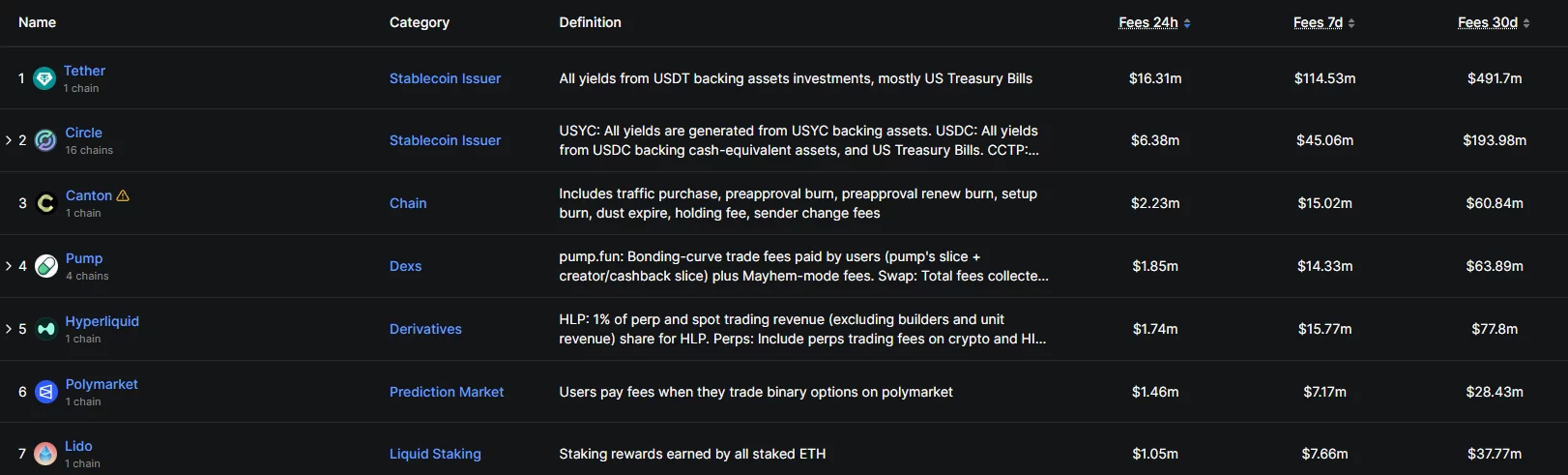
Elsewhere in the sector, sports wagering demand has also boosted activity on prediction market rival Polymarket. According to DefiLlama data, Polymarket generated around $1.46 million in fees over the last 24 hours and roughly $7.17 million during the previous seven days, placing it among the highest fee-generating crypto protocols during those periods.
Federal regulators challenge state enforcement efforts
At the same time, prediction markets remain at the center of an ongoing regulatory debate in the United States. As reported by crypto.news earlier, the CFTC has proposed new rules for prediction market platforms while also defending federally regulated exchanges against enforcement efforts by several states.
According to a lawsuit filed by the CFTC on Friday, the agency has sued New Mexico officials over efforts to apply state gaming laws to federally regulated prediction market exchanges. The regulator argued that event contracts listed on CFTC-registered exchanges fall under federal commodities law and therefore remain subject to its exclusive oversight.
The filing follows New Mexico’s June 4 lawsuit against Kalshi, in which state authorities alleged the platform was offering sports betting without a license and allowing users aged 18 to 20 to participate despite the state’s minimum gambling age of 21.